Our very own Claire has just returned from Mauritius, and rather than simply showing us lots of gorgeous photographs and making the rest of the team incredibly jealous, we put her to work!
She travelled around the island, experienced different resorts and areas, and came home with lots of useful advice for anyone considering a Mauritius holiday.
And one thing became very clear: Mauritius is about so much more than beautiful beaches and luxury hotels. So, if Mauritius is on your wish list, here are Claire’s first-hand tips, observations and holiday ideas.
First impressions – Mauritius is easier than you might think
From the UK, the direct flight is around 12 hours, but one of the big advantages of Mauritius is the relatively small time difference – generally just 3 or 4 hours depending on the time of year.
That means you can travel somewhere wonderfully tropical without spending the first few days wondering whether it’s breakfast time or bedtime!
They also drive on the left, and English is an official language and widely used, although you’ll hear plenty of French and Mauritian Creole too.
The local currency is the Mauritian rupee, and Claire recommends carrying some smaller notes for tipping.
Claire’s airport tip
Be prepared for the possibility of a wait when you arrive.
Immigration and customs can take time when several flights arrive close together, so don’t expect to be off the aircraft and sitting beside the pool within the hour!
Fast-track facilities may be available for some passengers, so this is something worth checking before you travel.
Don’t underestimate the Mauritius sunshine
One of Claire’s biggest practical tips is to take plenty of high-factor sun cream.
Mauritius can be breezy, which makes the temperature feel beautifully comfortable – but that breeze can disguise just how powerful the tropical sun is.
You may not feel as though you’re burning until it’s too late, so regular SPF is essential.
Mauritius isn’t one destination – explore it!
One of the things Claire’s trip really highlighted is how different the various parts of Mauritius can be.
The island is small enough that it’s very easy to think, “We’ll just pick a lovely hotel and stay there.”
But we’d seriously consider a two-centre Mauritius holiday.
Spend a few nights in one part of the island and then move to another. You’ll experience different beaches, landscapes, weather and atmosphere – without needing another flight.
And if you’re travelling all that way, why stop at Mauritius?We can also create itineraries combining Mauritius with a Dubai stopover, Kenya safari or South Africa.
Personally, we rather like the idea of safari first and Mauritius afterwards. Lions and elephants followed by cocktails and a sunbed sounds like a pretty good combination to us!
What can you actually do in Mauritius?
Plenty!
Claire found that Mauritius works just as well for people who like to get out and explore as it does for dedicated sunbed enthusiasts.
You can go dolphin and whale watching, snorkel, dive and try a huge range of watersports.
The Hindu sacred lake in Mauritius is called Ganga Talao, also known as Grand Bassin. It is a secluded crater lake sitting high in the mountain jungle of the Savanne district, about 550 meters above sea level. It is considered the most sacred Hindu pilgrimage site on the island
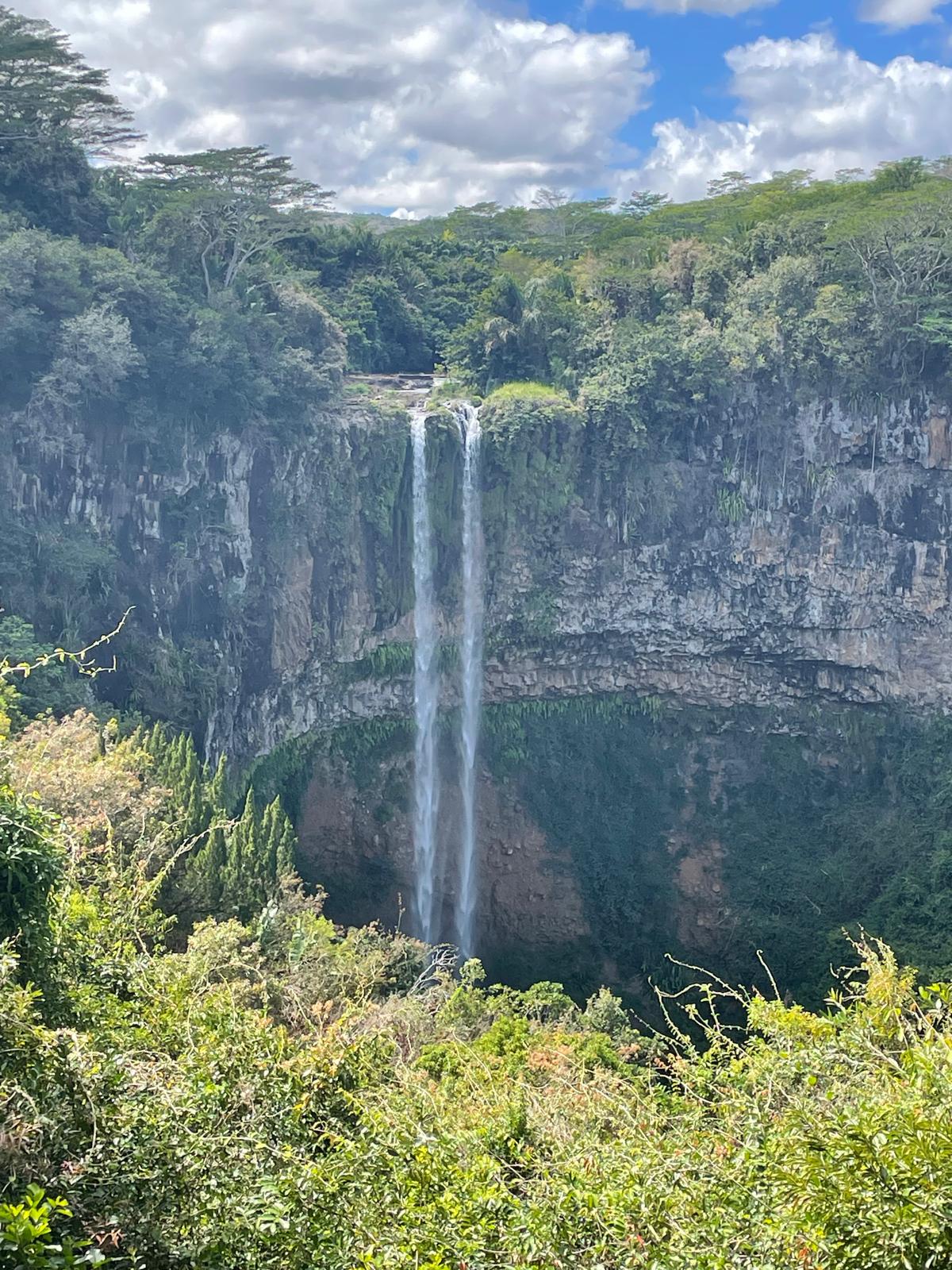
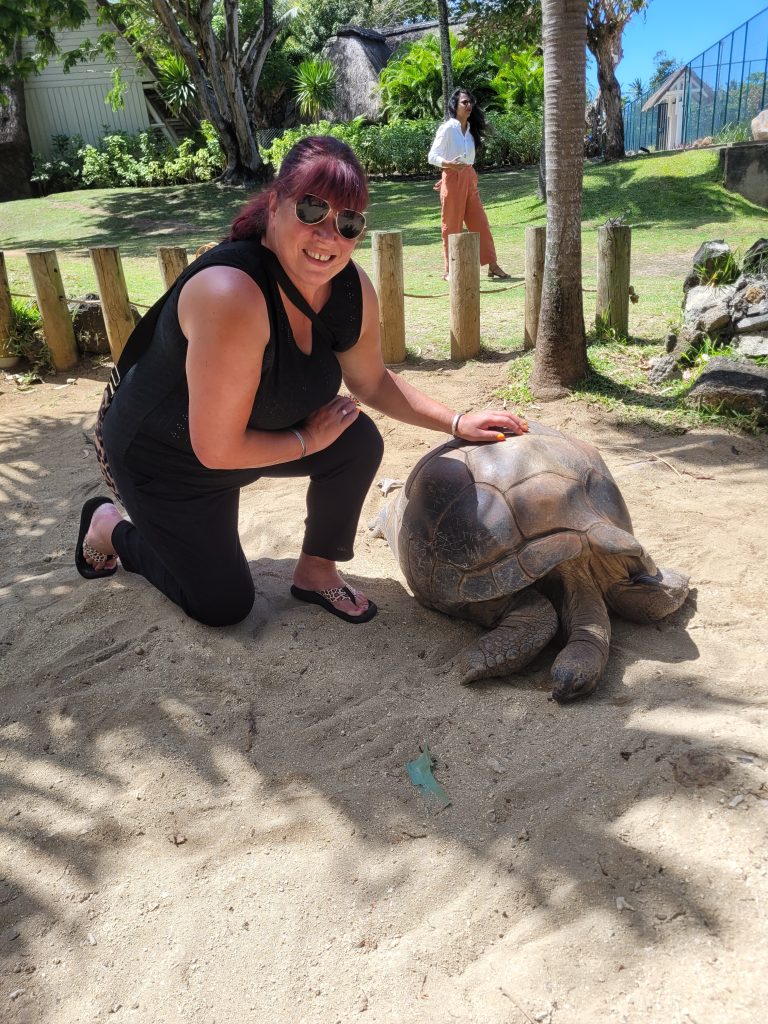
Away from the coast, there are some fantastic natural attractions. La Vanille Nature Park is particularly well known for its giant tortoises, while Black River Gorges National Park offers rainforest, waterfalls, walking trails and some of Mauritius’s rare native wildlife.
Then there’s the extraordinary Chamarel Seven Coloured Earth, where naturally occurring dunes appear in different shades including red, brown and violet.
If you prefer your sightseeing with an adrenaline rush, you can also find adventure parks offering activities including ziplining, quad biking and luge-style rides.
In other words, don’t automatically book seven or ten nights and assume you’re going to spend every day on the beach.
Unless, of course, that’s exactly what you want to do. It’s your holiday!
Which coast of Mauritius should you stay on?
This is probably one of the most useful things Claire brought back from her trip.
Choosing the right area matters.
Mauritius has surprisingly varied microclimates because of its mountainous interior and prevailing winds.
North Mauritius
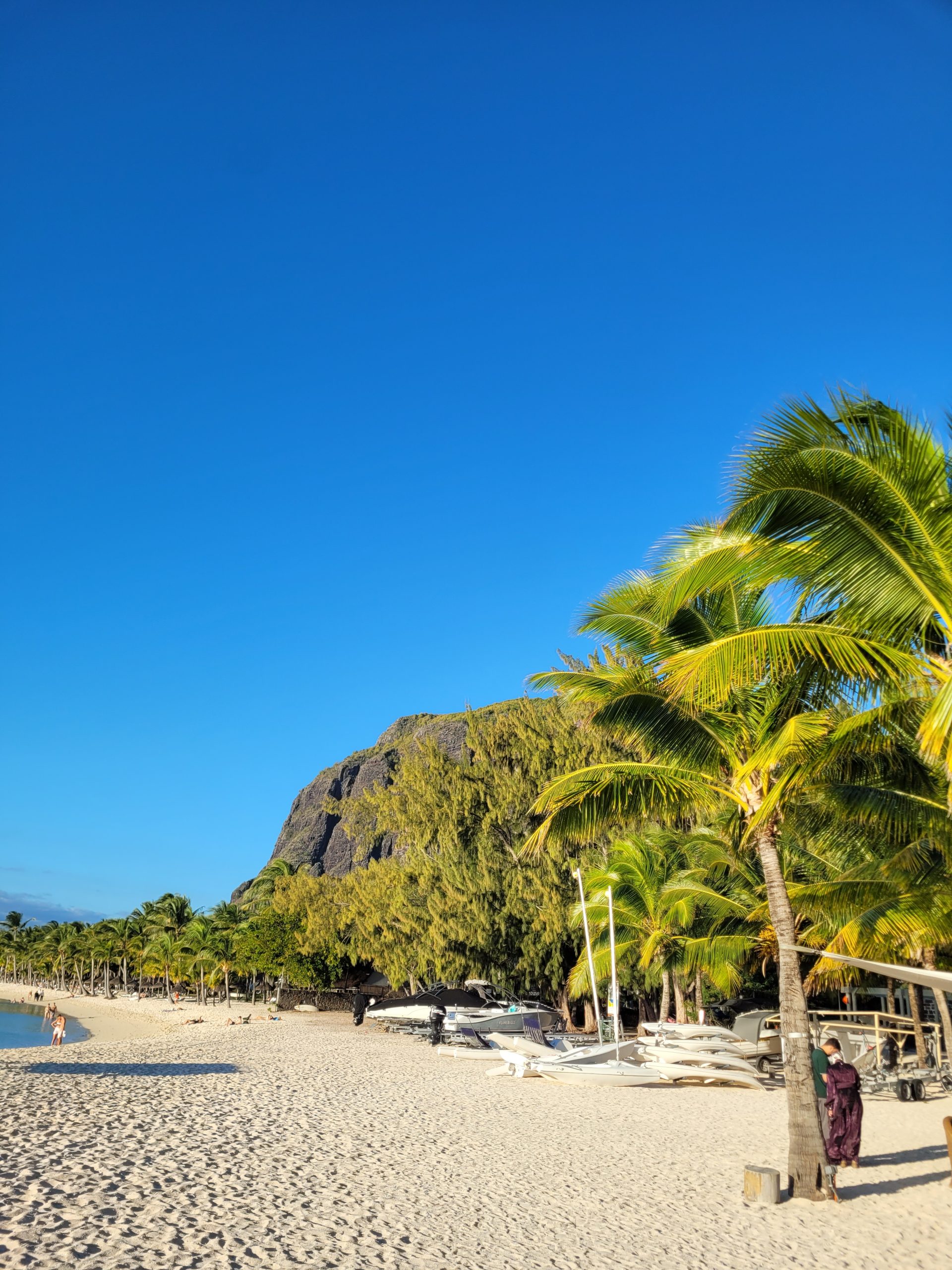
Generally warmer, drier and more sheltered. This is a great option for a traditional beach holiday and is also where you’ll find Grand Baie, one of the liveliest areas of the island.
West Mauritius
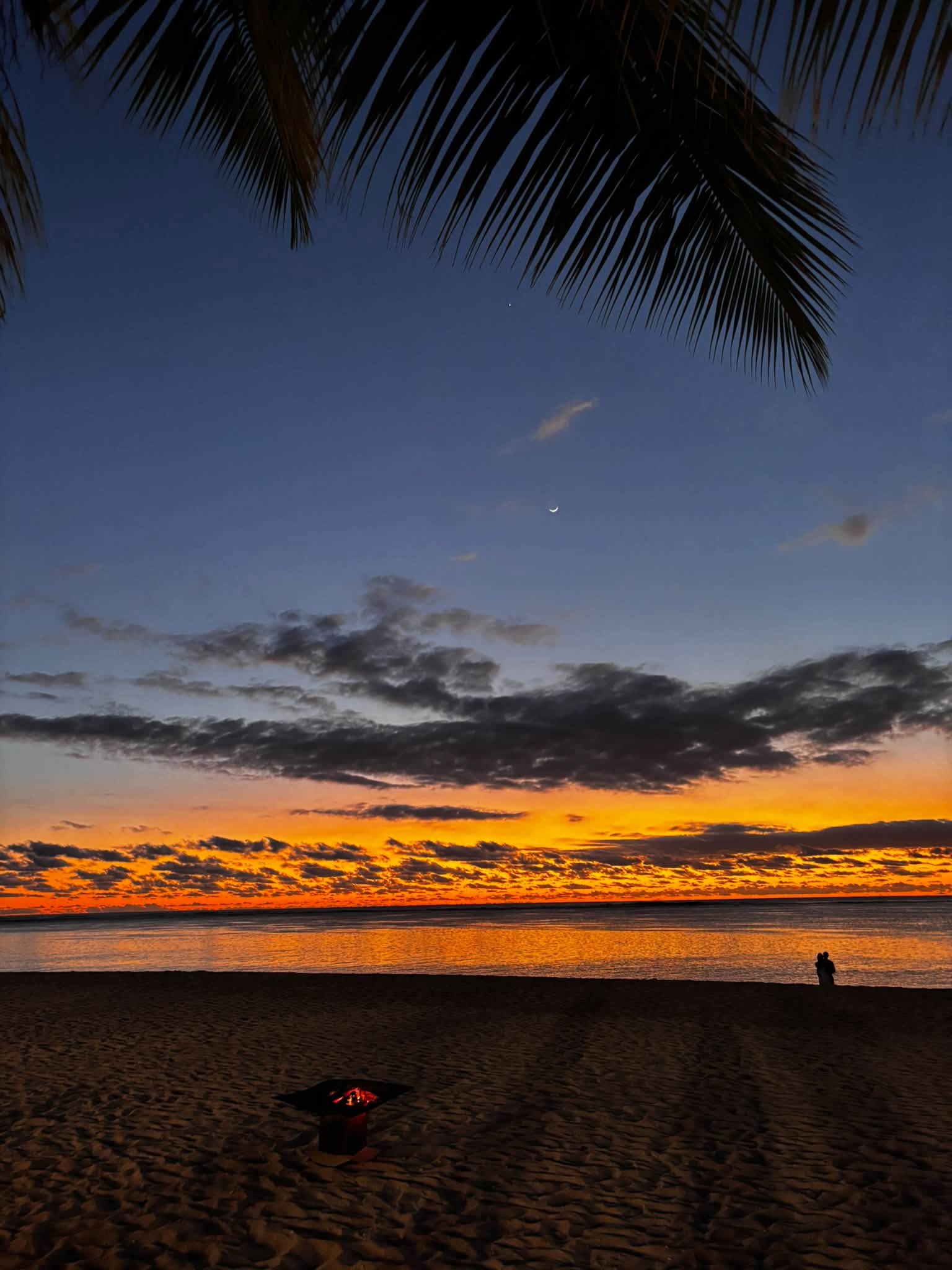
Hot, relatively dry and sheltered, with calmer water and some gorgeous sunsets. Flic en Flac is worth considering if you’d like bars and restaurants nearby rather than being completely reliant on your hotel.
East Mauritius
Generally breezier, cooler and more exposed to the southeast trade winds. That’s not necessarily a negative – it’s particularly good for activities such as windsurfing and kitesurfing and can feel more comfortable during hotter months.
South Mauritius
Wilder, greener and more dramatic. If scenery, walking, nature and exploring appeal more than simply finding the perfect beach, don’t overlook the south.
When should you visit Mauritius?
For many travellers, May through to December is a particularly attractive time to visit, with less of the intense heat and humidity associated with the Mauritian summer. July and August can be windier, particularly on the exposed east and south coasts. So if you’re travelling during our UK summer and your priority is lying beside a calm turquoise sea, we’d look carefully at hotels on the north or west coast. It’s exactly why we don’t believe choosing a Mauritius holiday should simply be about finding the prettiest hotel on the internet. The right hotel in the wrong location might not be the right holiday for you.
Does Mauritius have nightlife?
Yes – but again, location is important. Many of the island’s resorts are fairly isolated. They’re fantastic if you’re happy enjoying the hotel’s restaurants, bars and entertainment, but not ideal if you want to wander out every evening. For more going on outside your hotel, Claire recommends looking at two particular areas. Grand Baie, in the north, is the livelier option, with restaurants, cocktail bars, live music and late-night venues around the waterfront and Royal Road. Flic en Flac, on the west coast, has more of a laid-back beach atmosphere, with restaurants, bars, sundowners and beachside entertainment. If nightlife is important to you, tell us before we recommend your hotel. It can make a huge difference to where you should stay.
A few important things to know before travelling
Mauritius has restrictions on certain items entering the country, including e-cigarettes, and there are also environmental restrictions concerning some non-biodegradable plastic products. Entry requirements can change, so we always recommend checking the latest official information before travelling. Visitors should also complete the Mauritius All-in-One Travel Digital Form before arrival. The official form is free to complete and combines information required by the Mauritian authorities.
Claire’s verdict?
Mauritius certainly delivers the beautiful beaches, turquoise Indian Ocean and luxury hotels you expect. But Claire came home convinced that there’s far more to Mauritius than a fly-and-flop beach holiday. Choosing the right coast, the right resort and the right time of year can make a huge difference. And for more adventurous travellers, combining two areas – or even combining Mauritius with Africa or Dubai – can create a really special itinerary. And that’s where speaking to someone who has actually just been there makes all the difference.
Claire now has first-hand, up-to-date Mauritius knowledge and can help you work out which part of the island and which style of holiday will suit you.
So before you spend hours sofa-scrolling through hundreds of Mauritius hotels… talk to us.
Wendy Haines Travel – Trusted to deliver dreams for over 30 years.